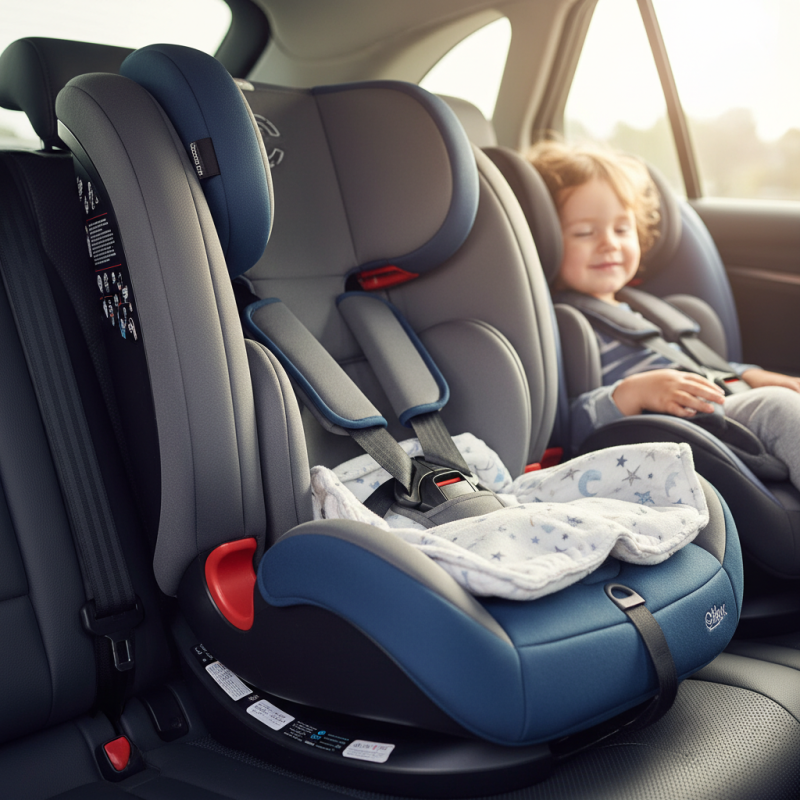
2026 Best Child Car Seat What to Look For?
Choosing the right Child Car Seat is crucial for every parent. A good car seat protects children in case of an accident. It ensures their safety during every car ride. With many options available, it can be overwhelming.
When selecting a child car seat, consider safety ratings. Look for features such as side impact protection and ease of installation. Comfort is also important, especially for longer trips. A well-fitted seat can make a difference in a child’s mood while traveling.
Parents should also research the age and size requirements. Some seats serve specific age groups better than others. Reflect on the lifestyle and needs of your family. A good child car seat should offer peace of mind. It's worth investing time into this decision.
Key Safety Features to Consider in Child Car Seats
When choosing a child car seat, safety is the top priority. One critical aspect to consider is the harness system. A five-point harness is ideal for younger children. It secures them at the shoulders, hips, and between the legs. This helps distribute force during a sudden stop. Look for easy-to-adjust harnesses. An uncomfortable fit can lead to improper use.
Another vital feature is the side-impact protection. This technology can significantly reduce injury risk. Seats with energy-absorbing foam and reinforced sides are preferable. Check if the car seat meets safety standards. This ensures your child is well-protected. Read reviews, but also look for crash test results.
Installation is often overlooked. A secure seat is crucial for safety. Some car seats offer an ISOFIX or LATCH system for easier installation. Yet, not all parents find them intuitive. Before each ride, check the seat's stability. A wobbly seat can become unsafe. Familiarize yourself with the instruction manual. It's essential to use the seat correctly every time.
2026 Best Child Car Seat - Key Safety Features to Consider
| Feature | Description | Importance |
| Safety Ratings | Look for car seats that have been tested and received high ratings from safety organizations. | Critical for ensuring the seat provides maximum protection. |
| Ease of Installation | Choose models that are easy to install and include clear instructions and indicators. | Ensures proper installation, which is vital for safety. |
| Adjustable Harness | A harness system that can grow with your child, allowing adjustments for better fit. | Promotes comfort and safety as your child grows. |
| Side Impact Protection | Look for seats with additional padding or structures to protect against side collisions. | Enhances safety in case of side impact scenarios. |
| LATCH System | Seats equipped with the Lower Anchors and Tethers for Children system for easier securement. | Improves installation reliability and vehicle compatibility. |
Understanding Child Car Seat Types: Rear-facing, Forward-facing, and Booster
When choosing a child car seat, understanding the different types is crucial. There are three main categories: rear-facing, forward-facing, and booster seats. Each serves a specific purpose based on your child's age and size. Rear-facing seats are ideal for infants. They provide the best protection during a collision due to their design. Many parents overlook this and switch to forward-facing too early.
Forward-facing seats accommodate older toddlers. These seats have harness systems that enhance safety. While they can be appealing for older kids, make sure the child meets the height and weight requirements. Safety should always come first. It's essential to assess whether your child is ready for this transition.
Booster seats are for bigger kids who are outgrowing the harness system. They help position the seat belt correctly. However, they can be tricky. If the seat belt doesn’t fit correctly, it may lead to serious injury.
Tips: Always check for the latest safety guidelines. Your child’s safety depends on the right choice. Don’t rush the process; monitor your child's growth. Testing the fit of each seat can prevent serious mistakes.
Importance of Compatibility with Vehicle Models and Seatbelts
When selecting a child car seat, compatibility with vehicle models and seatbelts is critical. According to a report by the National Highway Traffic Safety Administration (NHTSA), nearly 1 in 4 child seats are improperly installed. This often results from mismatches between the car seat and the vehicle’s seat design. Manufacturers design car seats for specific vehicle types, and testing must confirm that they fit well and can be secured properly.
The wrong fit can create safety hazards. If a car seat is too wide or too high for the vehicle, it may not anchor securely. Kids can slip out of the seat during an accident, leading to severe injuries. It's essential to check your vehicle’s manual and the car seat specifications. Reports indicate that using the wrong seatbelt type for securement increases risk.
Tip: Always test the car seat in your vehicle before purchase. Make sure it’s easy to install and adjust.
Some vehicles have unusual seat shapes or belt systems. This can complicate installation. Moreover, some seats that claim compatibility may not transition well across models. Always consult reliable resources for guidance.
Tip: If in doubt, visit a certified technician for help. They can assist with installation and offer advice on your specific vehicle.
Evaluating Comfort and Adjustability for Growing Children
When selecting a child car seat, comfort and adjustability are key factors. Growing children need a seat that will adapt to their changing sizes. Look for options with adjustable headrests and harness systems. These features help accommodate a child as they grow. A snug fit is crucial for safety and comfort.
Materials also play a role in comfort. Breathable fabrics can make a big difference during long trips. Some seats provide extra padding, enhancing comfort for little ones. However, not all seats are created equal. Sometimes, a seat may look comfortable but lacks proper safety features. It's essential to balance comfort with protection.
Parents often overlook the importance of testing the seat. Have your child sit in different models. Observe their comfort levels. Do they look relaxed? Can they easily buckle themselves? Some seats may seem perfect at first glance, but real-life use tells a different story. Make sure to prioritize your child's experience to ensure they feel secure and happy while traveling.
Reviewing Safety Ratings and Consumer Feedback for Best Choices
When choosing the best child car seat for 2026, safety ratings are crucial. Many reviews highlight how seats perform in crash tests. A high crash test score often indicates better protection in an accident. However, safety should not be the only factor to consider.
In addition to safety ratings, consumer feedback can provide insights into usability. Parents often mention the ease of installation as a key factor. A seat that is difficult to install can lead to safety issues. Comfort is also important. A seat that looks good may not be comfortable for long car rides. Some children dislike being restrained, which could lead to tantrums. Finding the balance between safety and comfort can be a challenge.
It's essential to be aware that some seats might have lower safety scores than expected. Regularly reviewing updated ratings is necessary. Many parents have reported difficulties with transitioning between different modes of the seat. This can affect the longevity of use. Listening to feedback from other parents can guide you in the right direction. Remember, each child's needs can vary significantly.
2026 Best Child Car Seat Safety Ratings