7 Best Drain Cleaning Machines for Global Buyers
Choosing the right Drain Cleaning Machine can determine whether a blocked pipe becomes a quick repair or an expensive disruption. Global buyers face different pipe materials, voltage standards, drain sizes, and working conditions. A machine that performs well in a hotel may struggle in an older residential system. Context matters.
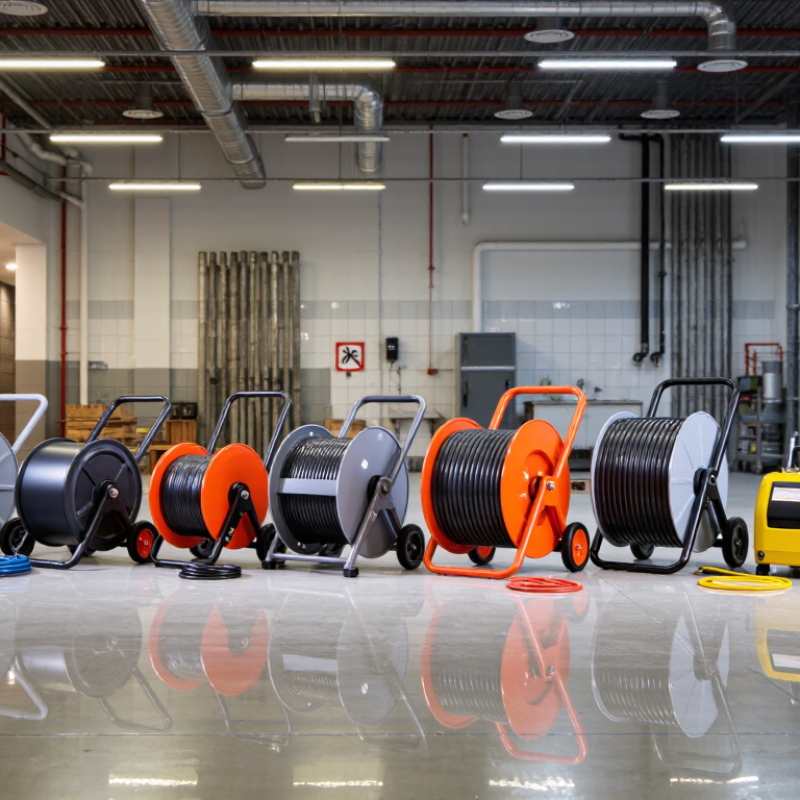
This guide examines seven reliable options for professional contractors, maintenance teams, and serious property owners. Each model should be judged by cable strength, cleaning range, motor performance, portability, and operator control. Drum machines suit many indoor jobs, while sectional units often provide greater reach for demanding commercial lines. Compact electric models can help in narrow spaces, but they may lack the power needed for heavy buildup.
Safety remains essential. Look for guarded moving parts, stable frames, ground-fault protection, and clear operating instructions. Confirm local electrical requirements before importing equipment. Manufacturer support, spare-part availability, warranty terms, and regional service networks also influence long-term value. Product specifications can look impressive on paper. Real performance may differ. In practice, wet floors, awkward access, and inconsistent maintenance expose weaknesses quickly. Even experienced users can choose poorly when they focus only on price. This comparison offers a practical starting point, while encouraging buyers to match each Drain Cleaning Machine with their actual workload, local standards, and training level. A perfect machine rarely exists. The best choice is the one that cleans effectively, operates safely, and remains dependable after repeated use.
Drain Cleaning Machines: Purpose, Types, and Main Applications
Drain cleaning machines restore blocked pipelines without immediate excavation. Their tools cut, scrape, retrieve, or flush deposits inside pipes. The main purpose is simple: recover flow, protect hygiene, and reduce service disruption. UN-Water’s 2024 World Water Development Report states that 3.5 billion people lacked safely managed sanitation in 2022. That figure makes reliable drainage equipment more than a maintenance convenience. It connects directly to public health.
Common types include drum machines, sectional cable machines, water jetters, and inspection-supported systems. Drum machines work well for household and light commercial lines. Sectional machines handle longer runs and tougher obstructions. Water jetters remove grease, sludge, and loose sediment through controlled hydraulic force. Inspection cameras help operators locate damage before cleaning. They do not replace skilled judgment.
Applications range from kitchens and bathrooms to hotels, factories, municipal sewers, and construction sites. The U.S. Environmental Protection Agency’s 2022 Clean Watersheds Needs Survey identified about 630.1 billion dollars in wastewater and stormwater infrastructure needs. This suggests a continuing demand for practical maintenance equipment. Global buyers should compare pipe diameter, cable reach, jetting pressure, voltage, noise, transport weight, and safety controls. A stronger motor is not always better. Excessive torque can damage fragile pipes or trap a cable. Catalogue ratings may also assume ideal conditions. Operators should test access, blockage material, and pipe condition before selecting the machine. This step is often skipped. It should not be.
Safety, Maintenance, and Operating Practices for Drain Machines
Safe drain-machine work begins before the cable enters the pipe. Inspect the frame, drum, cable, plug, foot switch, and ground-fault protection. Wear eye protection, cut-resistant gloves, non-slip footwear, and close-fitting clothing. Keep loose hair away from rotating parts. OSHA’s machine-guarding guidance stresses preventing contact with moving components. That principle matters here. Keep it boring.
The U.S. Bureau of Labor Statistics recorded 2,607,900 nonfatal workplace injuries and illnesses in private industry during 2023. This broad figure is not drain-machine specific, but it shows why routine controls deserve attention. Feed the cable slowly, match its size to the pipe, and never force a jam. Stop immediately if the cable twists, stalls, or pulls sharply. A foot switch should remain reachable, not buried behind tools. I still recheck the switch after moving the machine; rushed setups can defeat good training.
Maintenance protects both workers and equipment. Disconnect power before clearing debris or changing components. Clean the cable after use, dry it fully, and inspect for flattened sections, cracks, or damaged couplings. Store it without tight kinks. NIOSH recommends an 85 dBA time-weighted average for an eight-hour workday, so measure noisy operations rather than guessing. Hearing protection may be sensible, though it can reduce warning sounds. That trade-off needs review. Record inspections, cable failures, and near misses; small patterns often reveal a larger operating problem.
Buying Factors: Budget, Local Standards, Warranty, and After-Sales Support
Choosing among the seven best drain cleaning machines starts with the job, not the catalogue. A compact manual unit may suit apartment maintenance, while a powered machine handles longer, tougher lines. Budget must include cables, cutters, gloves, transport, and routine servicing. Cheap equipment is rarely cheap for long. In practical evaluations, operators often overlook cable replacement costs and storage space.
Local standards deserve equal attention. Check voltage, plug type, electrical protection, noise limits, and safety documentation before ordering across borders. A machine approved for one market may need different certification elsewhere. Ask the seller for clear technical files, operating instructions, and compatible spare-part information. Do not assume an adapter solves every problem. For wet environments, inspect the enclosure rating and grounding requirements with a qualified local technician.
Warranty terms should state coverage length, excluded parts, shipping responsibility, and repair locations. A two-year promise means little if returning a heavy machine costs more than its value. After-sales support is practical, not decorative. Look for response times, troubleshooting guidance, replacement cables, and trained service partners near your market. Request these details in writing. One weakness remains: online specifications can hide awkward controls or excessive vibration. If possible, test the machine on a similar pipe before placing a large order. That small step may expose problems no brochure mentions.
7 Best Drain Cleaning Machines for Global Buyers
Buyer priorities vary by application, but a balanced evaluation should consider purchase budget, local electrical standards, warranty coverage, and after-sales support.
This 100-point reference scorecard gives the greatest weight to total purchase cost and local compatibility, while also recognizing the importance of warranty terms and service availability for international buyers. Always confirm voltage, frequency, plug type, spare-parts access, and warranty conditions before ordering.