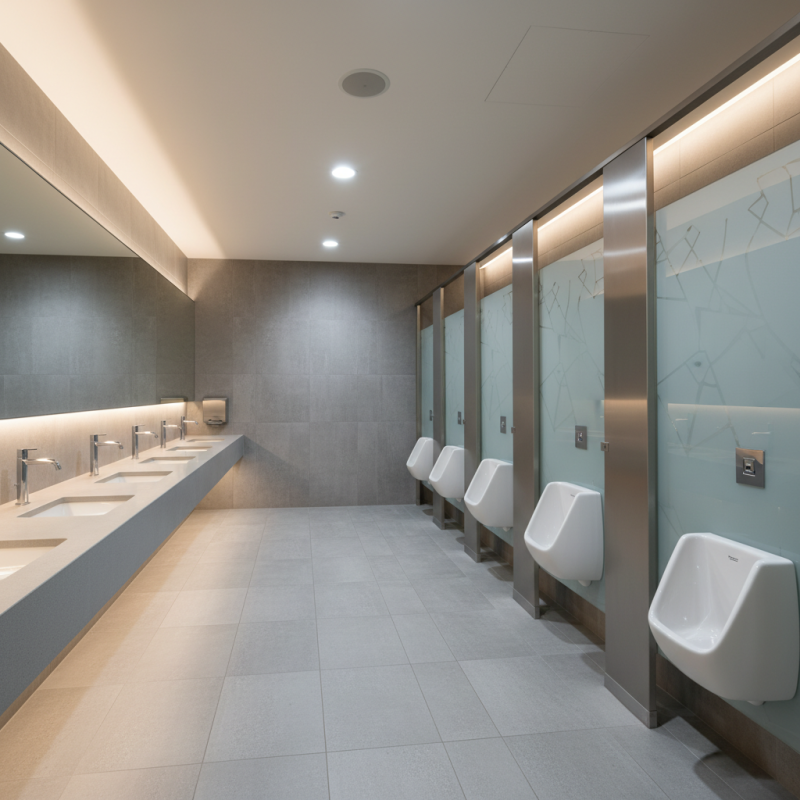
How to Choose the Best Restroom Stall Walls for Your Space?
Choosing the right Restroom Stall Walls is vital for any facility. The right walls impact privacy, cleanliness, and aesthetics. Different materials and designs cater to various needs.
Consider factors like durability and maintenance. Some materials resist moisture better than others. Others may offer unique designs that enhance the restroom's overall look. It's a critical decision that warrants thought and care.
It’s easy to overlook these details, but they matter. An attractive restroom can elevate guest experience. Think about how colors and patterns influence mood. Mistakes in choices can lead to regret down the line. The right restroom stall walls should balance function and form effectively.
Understanding Different Materials for Restroom Stall Walls
Choosing the right material for restroom stall walls is crucial. Different materials offer unique benefits and drawbacks. According to industry data, plastic laminate is a popular choice due to its affordability and ease of maintenance. It costs around $50 to $75 per stall. This option is resistant to moisture, yet may show scratches over time.
Metal partitions are another option. Stainless steel, for example, is durable and hygienic. Its price ranges from $90 to $150 per stall. However, it can be prone to dents and fingerprints, which may require frequent cleaning. Surveys indicate that many users feel a more robust barrier improves privacy.
Wood-based partitions offer a warm aesthetic. However, they can absorb moisture, leading to warping. Their price often falls between $200 and $300 per stall. While they may look inviting, they require proper treatments to maintain integrity. The choices depend on the specific needs and traffic levels of the restroom environment.
Evaluating Durability and Maintenance Requirements
Choosing restroom stall walls involves careful consideration of durability and maintenance. A well-selected wall can save time and money over the years. Materials like laminate, stainless steel, or solid plastic all have different levels of durability. For example, laminate can chip easily, leading to quick repairs. Stainless steel is tough, but it may show scratches and dents. Solid plastic offers a good balance, but it can fade over time.
Maintenance should not be overlooked. Frequent cleaning might be necessary for high-traffic areas. Some materials are more resistant to stains and easy to clean. However, they might still require special cleaners. Neglecting maintenance can lead to larger issues. For instance, a scratch on a laminate stall can hold dirt and bacteria. Regular inspections help catch these problems early.
Reflect on your specific environment. How much wear and tear will your stalls face? If you expect heavy use, choose a more durable option. This decision can seem simple, but the consequences of poor choices are significant. Balancing aesthetics with practical needs can be tricky. Think about the long-term impact of your choice.
Design Considerations for Privacy and Aesthetics
When selecting restroom stall walls, privacy and aesthetics are paramount. The materials you choose can create a sense of seclusion or openness. For instance, solid partitions offer maximum privacy, but can feel claustrophobic. On the other hand, glass panels can enhance light and space, yet may compromise privacy. Finding a balance is crucial.
Color also plays a significant role in aesthetics. Lighter colors can make a small restroom feel bigger, while darker shades add elegance. Consider the overall theme of your space. A modern setting might suit sleek, minimalist designs, but a rustic theme could benefit from wooden finishes. Reflecting on your design choices can reveal unexpected insights.
Texture is another element worth exploring. Smooth surfaces are easy to clean but can seem sterile. Adding texture, through patterned materials or finishes, can create warmth. This balance between cleanliness and comfort can be hard to achieve, requiring thoughtful reflection on what your space truly needs.
Budgeting for Installation and Replacement Costs
When planning for restroom stall walls, budgeting is essential. The costs of installation and replacement can vary significantly. High-quality materials may seem expensive upfront. However, they often save money in the long run due to their durability. Consider factors like maintenance and lifespan.
Installation costs can also add up. Professional installation often comes at a premium. DIY options exist but can lead to mistakes. Wrong measurements or poor mounting can result in extra expenses. Think about how often the stalls will be used. High-traffic areas may require sturdier options to reduce wear and tear.
Replacement costs should not be overlooked. Stall walls can be damaged over time. Incidents like vandalism or general wear can lead to early replacements. Assess the durability of your chosen material. Selecting robust options can prevent frequent replacements. Take time to analyze your specific needs and budget. This will ultimately lead to better decisions.
Compliance with Building Codes and Regulations
Choosing restroom stall walls requires careful consideration of compliance with building codes and regulations. Each region has specific codes that dictate materials, dimensions, and accessibility standards. For instance, the Americans with Disabilities Act (ADA) requires accessible stalls to have enough space for wheelchairs. The width must be at least 60 inches to accommodate mobility. Ignoring such guidelines can lead to costly renovations.
Many facilities overlook the importance of durability in restroom stall walls. According to a report by the International Association of Plumbing and Mechanical Officials (IAPMO), nearly 30% of restroom renovations fail due to improper materials. Walls should be water-resistant and easy to clean, especially in high-traffic areas. The wrong choice here could result in mold, odors, and higher maintenance costs over time.
Design also plays a role in compliance. Local codes may stipulate specific colors or patterns to enhance visibility. Some designs can conflict with safety regulations, making spaces feel cramped. It’s essential to balance aesthetic appeal with functional requirements. Regularly reviewing compliance helps prevent legal issues. Every choice matters. It's about the big picture, but don't forget the small details.
Restroom Stall Wall Material Preferences
The chart below illustrates the preferences for restroom stall wall materials based on a survey of facilities across various sectors. The categories include Plastic, Stainless Steel, Phenolic, and Laminate.